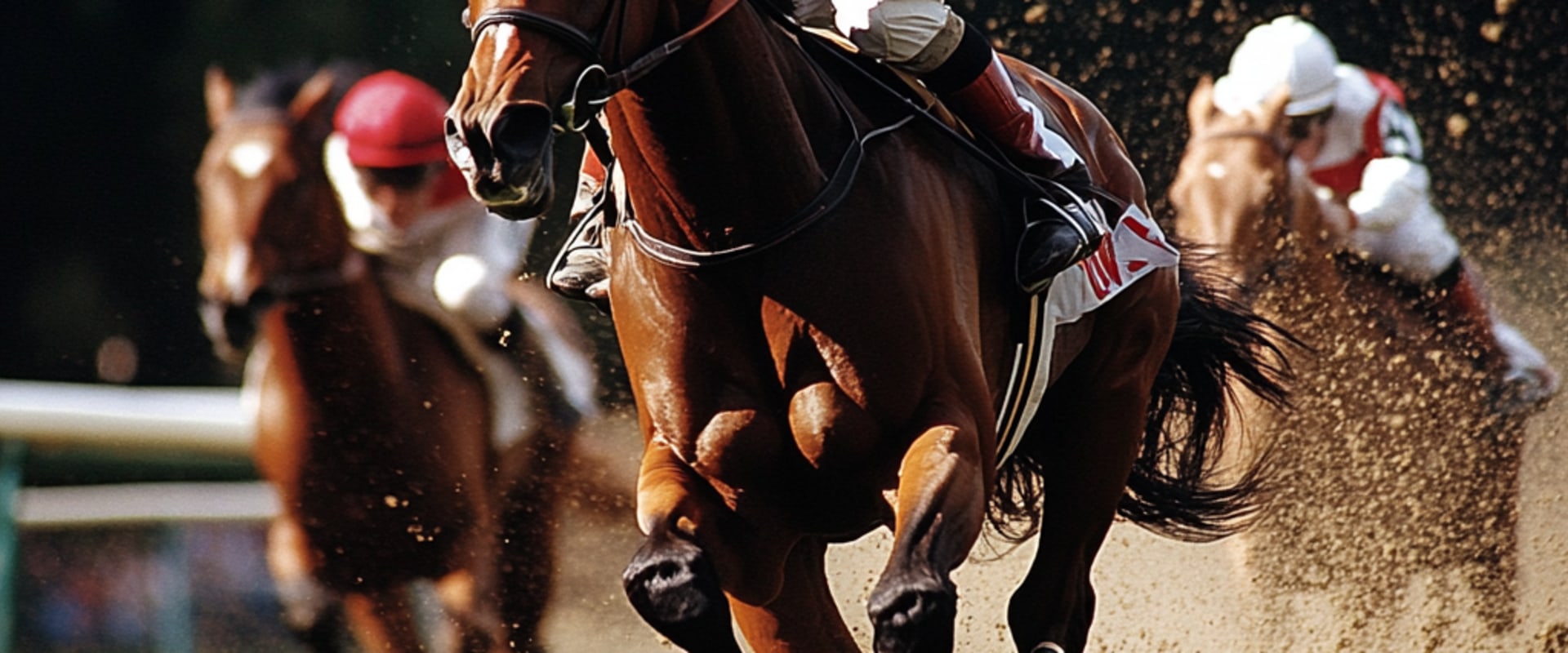

The Impact of Horse Racing Events Cancelled in the UK
Horse racing has a storied tradition in the United Kingdom, capturing the hearts of millions of fans and bettors alike. However, various factors can lead to cancellations of events, severely impacting stakeholders. In this analysis, we will explore the ramifications of UK horse racing not on, including how bettors can adapt through alternatives, such as UK horse racing not on GamStop horse racing betting not on GamStop.
The Tradition of Horse Racing in the UK
Horse racing is more than just a sport in the UK; it is a cultural phenomenon. Events like the Grand National and Royal Ascot attract massive crowds, drawing in people from various walks of life. This tradition is intricately woven into British culture, with deep historical roots that date back centuries.
Moreover, the sport supports a complex economic ecosystem, including trainers, jockeys, stable hands, and betting operators. The livelihood of many is directly tied to the success and regularity of racing events.
Reasons for Cancellations
Unfortunately, there are numerous and sometimes unavoidable reasons for horse racing events to be cancelled or postponed in the UK. Weather plays a notable role; heavy rains can render tracks unsafe for both horses and jockeys, leading to last-minute cancellations. In 2023, the variety of weather conditions, ranging from extreme heat to unpredicted storms, has resulted in several racing events being scrapped.
Furthermore, health and safety regulations also play a crucial role. During the COVID-19 pandemic, many racing events were suspended or held without audiences, significantly impacting betting revenues and community engagement in the sport. While restrictions have eased, there are still occasional health concerns that can lead to cancellations.
Sometimes, operational issues, such as sudden horse injuries or logistical failures, can prompt cancellations. The British Horseracing Authority (BHA) has measures in place to ensure the safety and well-being of all participants, but these measures can sometimes necessitate the abrupt cancellation of an event.
The Economic Impact of Cancellations
Cancellations can have a domino effect on the economy surrounding horse racing. For bookmakers, the lack of events means a significant reduction in betting turnover. This directly impacts their profits and can lead to layoffs or budget cuts in various areas, from staffing to sponsorships.
For those directly involved in the sport, the implications are similarly severe. Jockeys and trainers can face income loss, while stable hands may be left with fewer hours. The interconnected nature of the racing business means that one lost race can affect many livelihoods.
The Effect on Bettors
For bettors, cancellations can be frustrating as they lose the opportunity to place wagers and follow their favorite horses. In periods of cancellation, many bettors turn to alternative sources of entertainment, such as other sports or virtual horse racing. However, for those who prefer the traditional spectacle, the lack of live events can diminish their enthusiasm for betting altogether.
Fortunately, there are options for bettors looking to circumvent cancellations. Betting on international races is one such alternative. While UK events have their unique charm, many bettors find international races equally exciting. Various platforms enable UK-based bettors to participate in races happening abroad.
Additionally, some bettors explore horse racing betting not on GamStop, which allows them to continue gambling even during periods when traditional UK events are absent. This avenue offers a flexible option for those seeking to maintain their betting habit despite local race cancellations.
Community and Engagement
The abrupt cancellation of racing events can significantly affect community engagement. Racing serves as a social event, a day out for many families and friends who enjoy the atmosphere, the betting, and the shared excitement of the sport. The absence of these gatherings can lead to disappointment and a sense of disconnection within the community.
Racing organizations often attempt to fill the void left by cancellations by hosting online events or promoting alternative entertainment. These initiatives can partially bridge the gap; however, they rarely replicate the thrill of a live racing event.
The Future of UK Horse Racing
Looking ahead, the future of UK horse racing will undoubtedly be shaped by both inherent challenges and opportunities. As the world adapts to changing climates and health concerns, racing organizations and stakeholders must be prepared for the unexpected.
Innovations in technology, such as live streaming and interactive betting platforms, are likely to become even more integral to maintaining the sport’s appeal. Additionally, the rise of virtual events may provide a new avenue for engagement, helping to keep bettors and fans connected even when traditional events face interruptions.
Conclusion
The landscape of UK horse racing has seen its fair share of cancellations, each event affecting various stakeholders in multiple ways. While the deep-seated tradition of the sport remains resilient, adaptability will be crucial for bettors, trainers, and bookmakers.
By exploring alternative options like international racing and betting outside of GamStop, horse racing enthusiasts can continue to enjoy the thrill of the sport, even in times when UK racing events are temporarily unavailable. The next chapter of horse racing will demand innovation and community engagement to thrive, ensuring the spectacle endures beyond cancellations.